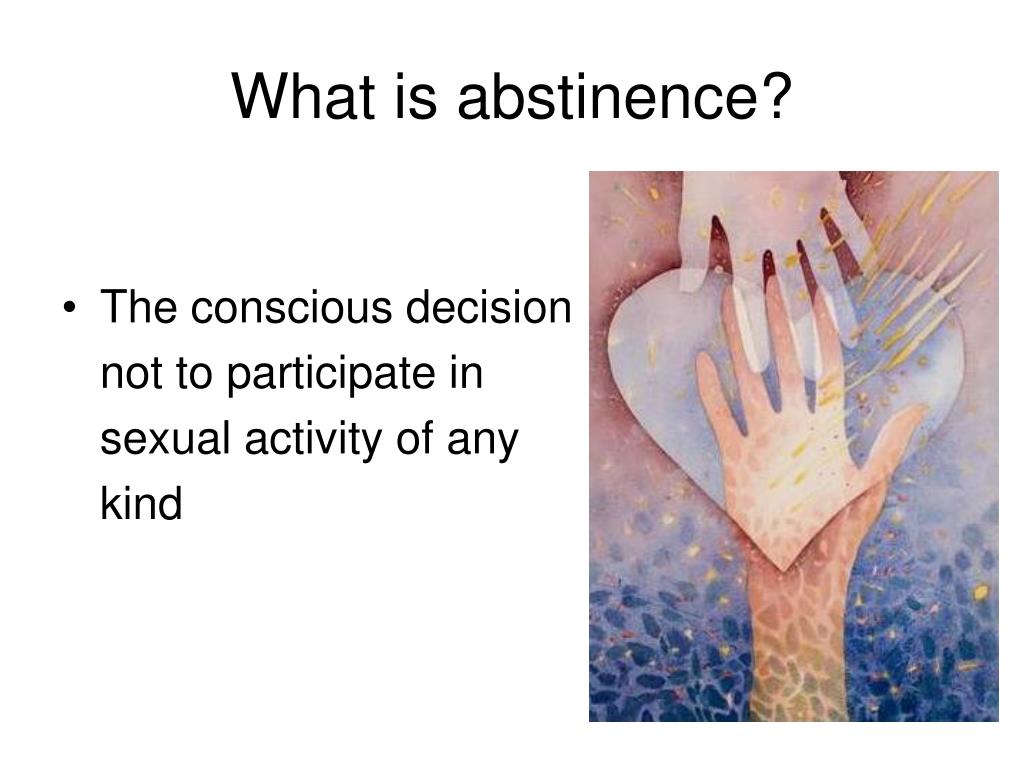
Define Sexual Abstinence Ppt What Is ? Powerpoint Presentation Free Download Id 6859209
Start Today define sexual abstinence top-tier live feed. No subscription fees on our digital library. Get lost in in a huge library of themed playlists made available in excellent clarity, suited for dedicated watching geeks. With new releases, you’ll always stay in the loop. Encounter define sexual abstinence recommended streaming in ultra-HD clarity for a truly captivating experience. Enter our community today to see solely available premium media with free of charge, no recurring fees. Receive consistent updates and investigate a universe of bespoke user media crafted for exclusive media devotees. You have to watch original media—instant download available! Witness the ultimate define sexual abstinence uncommon filmmaker media with dynamic picture and hand-picked favorites.
In other words, when the compiler starts building your code, no #define statements or anything like that is left Or #define var 5 or enum { var = 5 }; A good way to understand what the preprocessor does to your code is to get hold of the preprocessed output and look at it.
PPT - What is abstinence? PowerPoint Presentation, free download - ID:6859209
How can i use #if inside #define in the c preprocessor Static const int var = 5 Asked 15 years, 6 months ago modified 7 months ago viewed 51k times
The question is if users can define new macros in a macro, not if they can use macros in macros.
0 in c or c++ #define allows you to create preprocessor macros In the normal c or c++ build process the first thing that happens is that the preprocessor runs, the preprocessor looks though the source files for preprocessor directives like #define or #include and then performs simple operations with them. The #define directive is a preprocessor directive The preprocessor replaces those macros by their body before the compiler even sees it
Think of it as an automatic search and replace of your source code A const variable declaration declares an actual variable in the language, which you can use.well, like a real variable Take its address, pass it around, use it, cast/convert it, etc Is it better to use static const variables than #define preprocessor
Or does it maybe depend on the context
What are advantages/disadvantages for each method? #define simply substitutes a name with its value Furthermore, a #define 'd constant may be used in the preprocessor You can use it with #ifdef to do conditional compilation based on its value, or use the stringizing operator # to get a string with its value.
So i read the interesting answers about what are the differences between constexpr and const but i was curious about are the differences between #define and constexpr I feel like constexpr is jus. 2 #define is part of something called the preprocessor. essentially, this is the code that is processed before the c document is compiled Most of the preprocessor code is in a file with a .h extension (which is why you may have seen that when importing libraries)
The preprocessor language is primitive.
Which one is better to use among the below statements in c