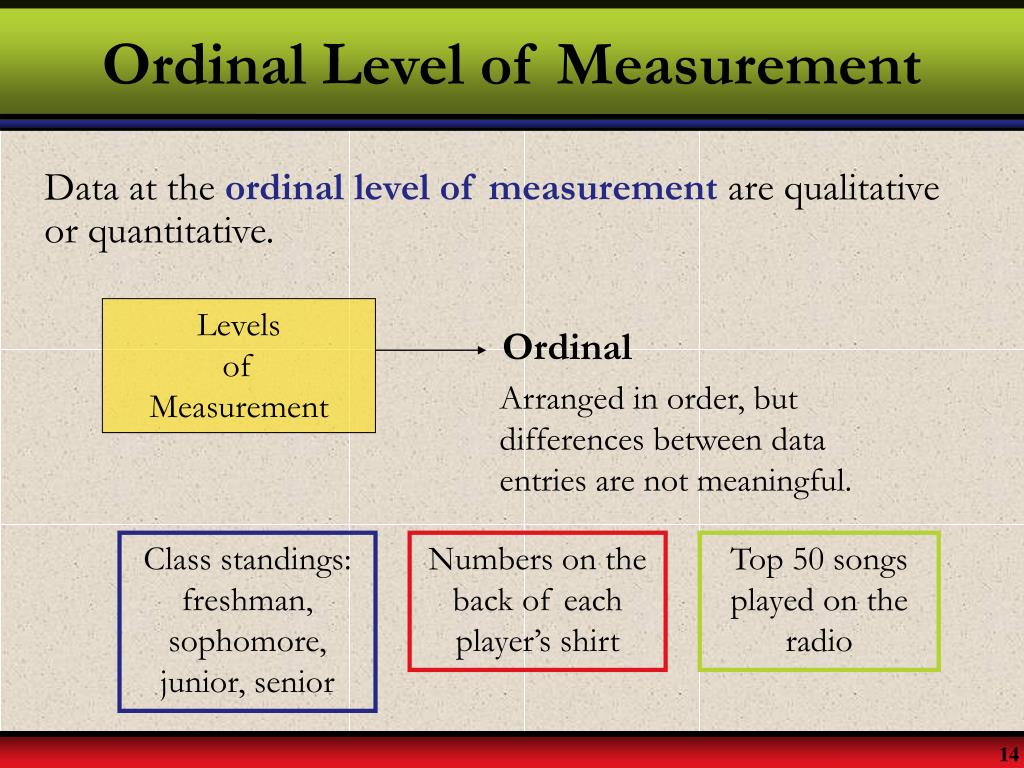
Data At The Ordinal Level Are Quantitative Only. Quantitive Jewel Has Randolph
Unlock Now data at the ordinal level are quantitative only. superior webcast. No wallet needed on our media source. Submerge yourself in a immense catalog of themed playlists available in Ultra-HD, the ultimate choice for first-class watching connoisseurs. With fresh content, you’ll always get the latest. Explore data at the ordinal level are quantitative only. arranged streaming in impressive definition for a genuinely gripping time. Get involved with our platform today to look at VIP high-quality content with zero payment required, no membership needed. Receive consistent updates and experience a plethora of indie creator works optimized for prime media buffs. Act now to see exclusive clips—begin instant download! Experience the best of data at the ordinal level are quantitative only. one-of-a-kind creator videos with crystal-clear detail and curated lists.
Study with quizlet and memorize flashcards containing terms like qualitative data, quantitative data, name each level of measurement for which data can be qualitative ordinal ratio nominal interval and more. Learn how to identify, graph, and analyze ordinal data with examples and alternatives to parametric tests. Classify each of the following by type of data (qualitative or quantitative) and level of measurement (nominal, ordinal, interval, ratio)
PPT - Introduction to Statistics PowerPoint Presentation, free download
For quantitative data, classify as discrete or continuous. Ordinal data are discrete variables that rank observations but do not measure the degree of difference between them Quantitative data (or numerical data) involves measurable values and includes interval, ratio, discrete, and continuous data types
Understanding the difference between nominal, ordinal, interval, and ratio data is key to performing correct statistical analyses and drawing valid conclusions.
Ordinal data is a valuable type of categorical data that captures ranked information Understanding its characteristics and using appropriate analysis methods is essential for drawing accurate conclusions. Among the four levels of measurement—nominal, ordinal, interval, and ratio—temperature data falls under the interval level This is because, unlike nominal data which categorizes without numerical value, and ordinal data where only order matters, interval data allows for meaningful differences between values.