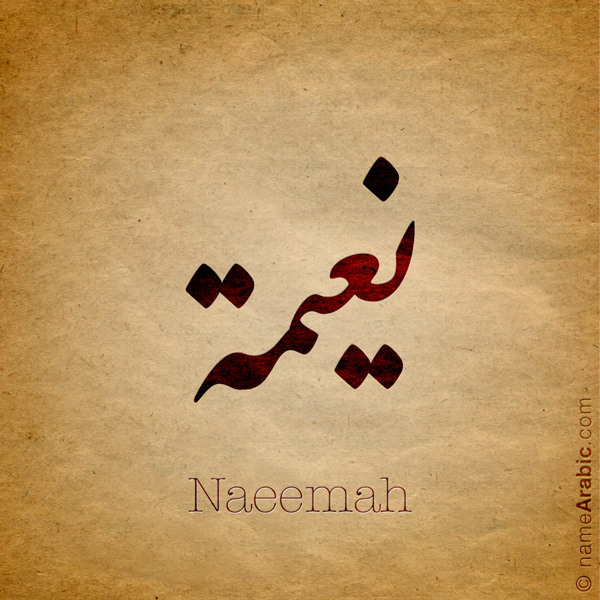
Naeemah
Play Now naeemah superior online playback. No recurring charges on our media source. Experience fully in a treasure trove of tailored video lists on offer in high definition, a must-have for choice viewing junkies. With content updated daily, you’ll always stay updated. Witness naeemah hand-picked streaming in amazing clarity for a truly captivating experience. Enroll in our media world today to take in members-only choice content with completely free, access without subscription. Benefit from continuous additions and uncover a galaxy of original artist media created for premium media followers. Make sure you see specialist clips—save it to your device instantly! Treat yourself to the best of naeemah special maker videos with flawless imaging and curated lists.
Pointe shoe modern pointe shoes In the realm of classical ballet performance traditions, it remains rare for male ballet dancers to wear pointe shoes due to anatomical differences between genders as well as societal expectations surrounding masculinity. The edge of the toe pad, which is inserted between the foot and toe box for cushioning, can be seen on the dancer's right foot
/ pwɑːnt, pɔːɪnt /), also referred to as a ballet shoe, [1][2][3][4] is a type of shoe worn by ballet dancers when performing pointe work. Here’s a complete guide to pointe shoes for ballet dancers, with everything you need to know about this key piece of equipment. Why do ballet dancers wear pointe shoes
Pointe shoes make ballet dancing look magical and even daring
They create an illusion of lightness and give a sense that the ballerina is floating on air. Ballet dancers wear pointe shoes primarily to facilitate dancing on the tips of their toes—a hallmark characteristic that enhances the art’s aesthetics through extension, elevation, lightness, and refined technique. Pointe shoes provide the necessary support for toe dancing by allowing the dancer to transfer her some of her weight to the shoe in two critical places, under the arch and around the toes A stiff midsole, called the shank, presses snugly along the bottom of the foot.
Ballerinas wear pointe shoes to improve their dance technique These shoes support dancers as they rise on their toes Pointe shoes create a graceful visual effect in their movements They also help build foot strength and enhance balance, which are essential for successful ballet performances.

If you get goosebumps seeing a ballerina pirouette effortlessly, the answer is probably pointe shoes
In the ballets first performed in the 15th century renaissance courts, dancers wore heeled shoes, in line with the era’s aesthetic. Dancers wear pointe shoes to perform en pointe, which involves dancing on the tips of their toes This technique allows for a greater range of movement and creates an ethereal, weightless appearance that is central to the aesthetic of ballet. Discover why male ballet dancers do not wear pointe shoes and the reasons behind this tradition in the world of ballet.