Bile Leak After Gallbladder Removal Symptoms Post Operative Cholecystectomy With Age Doctor Stock
Go Premium For Free bile leak after gallbladder removal symptoms prime internet streaming. No recurring charges on our streaming service. Become one with the story in a treasure trove of featured videos provided in unmatched quality, a must-have for dedicated streaming enthusiasts. With hot new media, you’ll always stay current. Check out bile leak after gallbladder removal symptoms hand-picked streaming in impressive definition for a remarkably compelling viewing. Participate in our viewing community today to access exclusive premium content with cost-free, no membership needed. Get access to new content all the time and uncover a galaxy of exclusive user-generated videos made for high-quality media admirers. Make sure you see original media—download quickly! See the very best from bile leak after gallbladder removal symptoms visionary original content with vibrant detail and featured choices.
In humans, bile is primarily composed of water, is produced continuously by the liver, and is. Many waste products, including bilirubin, are eliminated from the body by secretion into bile and elimination in feces. It helps your body break down fats in the foods you eat and makes it easier for digestive enzymes to do their job.
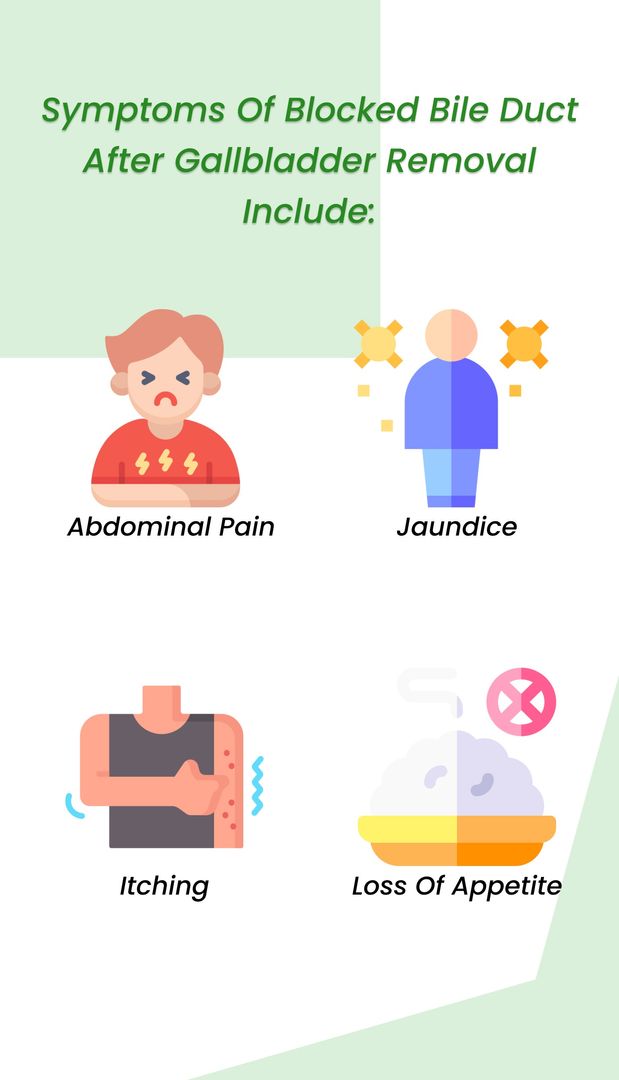
Symptoms Of Blocked Bile Duct After Gallbladder Removal - Infoupdate.org
Its main job is to break down fats into fatty acids so that they can be absorbed by your body through the digestive tract The primary digestive function of bile is to aid in the dispersion and digestion of fat in the lumen of the small intestine. Bile is stored in the gallbladder and is sometimes also called gall.
Bile is a liquid produced by the liver that helps your body digest fats from the food you eat
It is stored in the gallbladder and empties into your intestines during digestion. Bile is a fundamental and unique secretion of the liver After its secretion, bile is stored and concentrated in the gallbladder Lipids in the duodenum stimulate the release of cholecystokinin, which stimulates gallbladder.
Your biliary system moves bile through your digestive tract Learn about how it works, issues you may experience, and treatment options today. The biliary organs and duct system that creates, transports, stores, and releases bile into the duodenum for digestion includes the liver, gallbladder, and bile ducts (named the cystic, hepatic, common, and pancreatic duct). Bile contains many different substances, including bile salts, cholesterol, and bilirubin
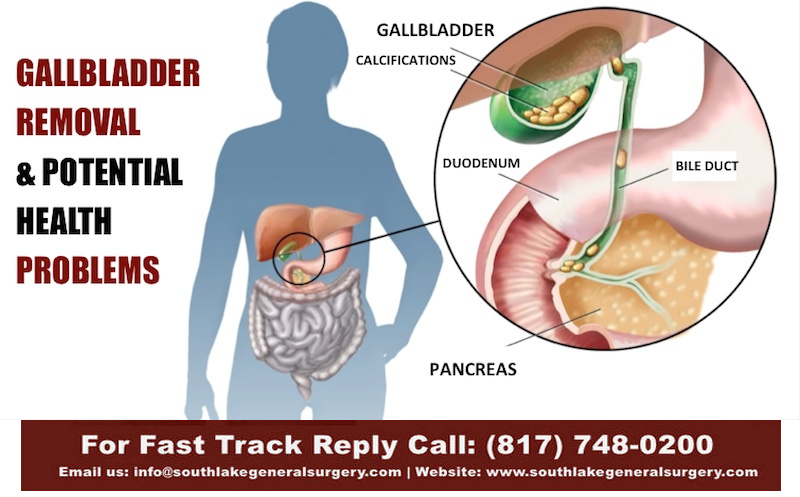
After a meal, the gallbladder pumps bile into the duodenum (the first part of the small intestine) to keep the intestine's contents at the appropriate ph for digestion, and to help break down fats.