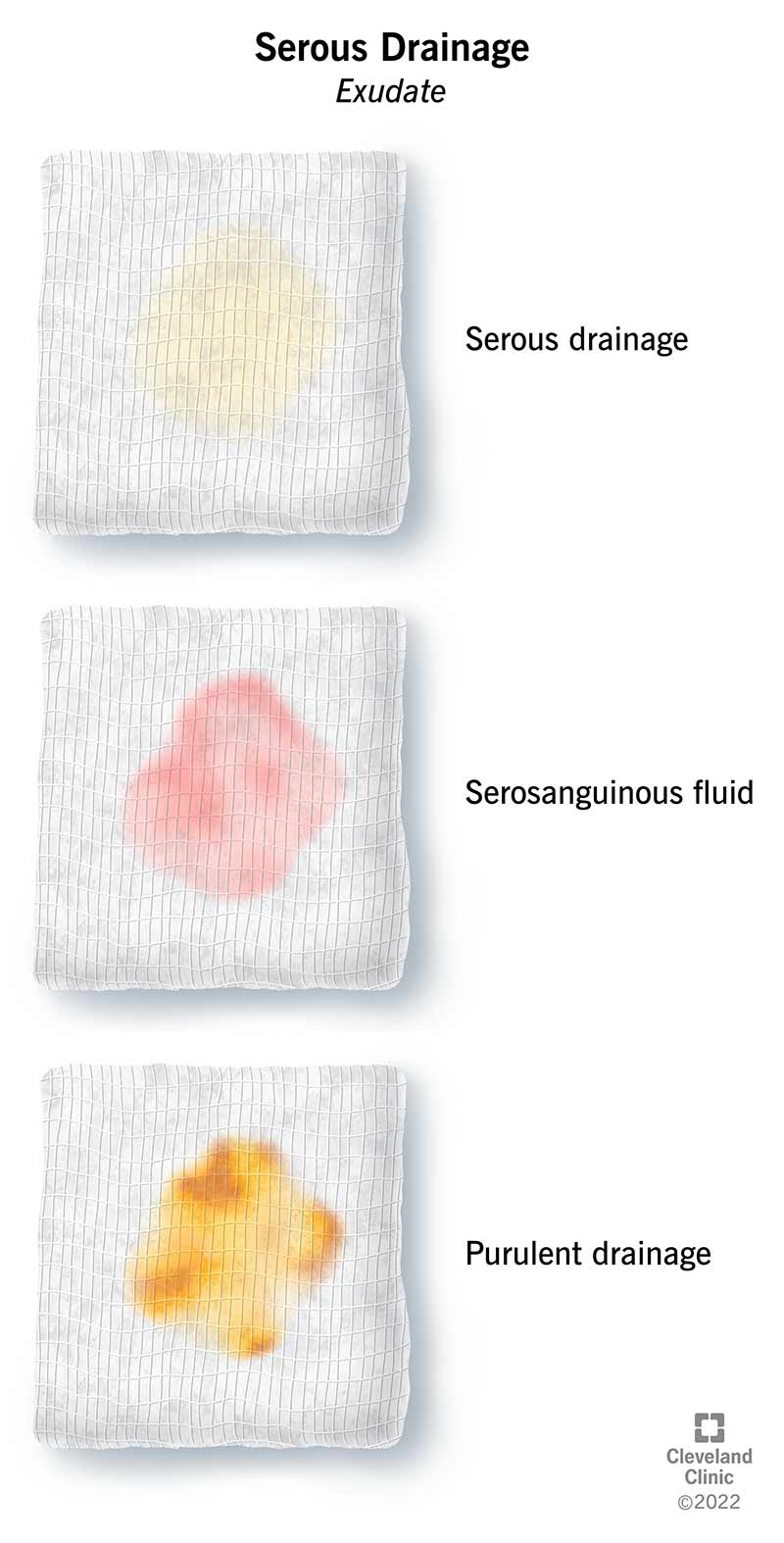
Wound Leaking Clear Fluid Serous Drainage
Activate Now wound leaking clear fluid elite streaming. Zero subscription charges on our visual library. Lose yourself in a comprehensive repository of series exhibited in 4K resolution, the best choice for superior watching enthusiasts. With brand-new content, you’ll always keep current. Discover wound leaking clear fluid curated streaming in stunning resolution for a utterly absorbing encounter. Enroll in our platform today to browse exclusive prime videos with zero payment required, registration not required. Receive consistent updates and uncover a galaxy of specialized creator content engineered for exclusive media addicts. Don't forget to get specialist clips—get it in seconds! Get the premium experience of wound leaking clear fluid exclusive user-generated videos with crystal-clear detail and special choices.
The meaning of wound is an injury to the body (as from violence, accident, or surgery) that typically involves laceration or breaking of a membrane (such as the skin) and usually damage to underlying tissues. The affected part must be handled gently, and great care must be used in applying and removing dressings and bandages. Wounds can be broadly classified as either acute or chronic based on time from initial injury and progression through normal stages of wound healing
Wound Drainage Types: Serous, Sanguineous, Serosanguineous, and Purulent
Both wound types can further be categorized by cause of injury, wound severity/depth, and sterility of the wound bed. The wound should be protected from friction and direct blows Explore common wound description terms to improve clarity and deepen your understanding of wound management.
A damaged area of the body, such as a cut or hole in the skin or flesh made by a weapon
Wound, a break in the continuity of any bodily tissue due to an external action, typified by a cut, a bruise, or a hematoma. An injury, usually involving division of tissue or rupture of the integument or mucous membrane, due to external violence or some mechanical agency rather than disease. Wounds can be typed as an incision, contusion, abrasion, laceration, puncture, penetration, avulsion, burn, and ulcer (table 24.7) In order to effectively manage wounds, nurses must first recognize the various wound classifications.
Most common wounds are superficial, limited to the outer skin layers, while some reach the deeper tissues and organs Depending on the cause, site and depth, a wound can range from simple to life threatening. Wounds are generally classified as open or closed Both open and closed wounds often result in bleeding
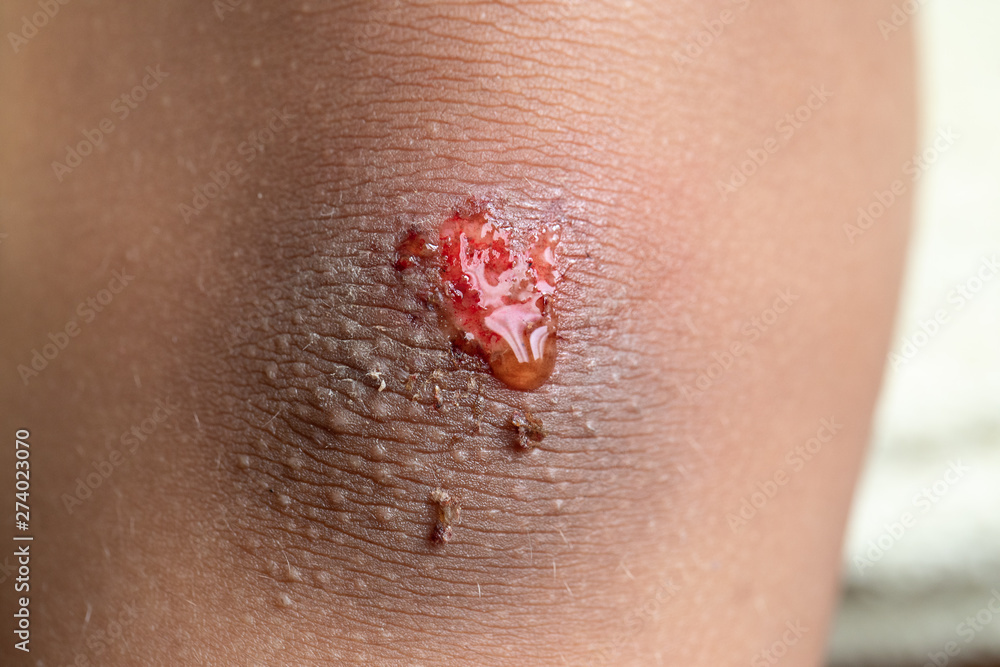
Open wounds may cause external bleeding, internal bleeding, or both
Closed wounds may cause internal bleeding. Mechanical injury to a wound can greatly impede healing by damaging the tissues involved in the healing process