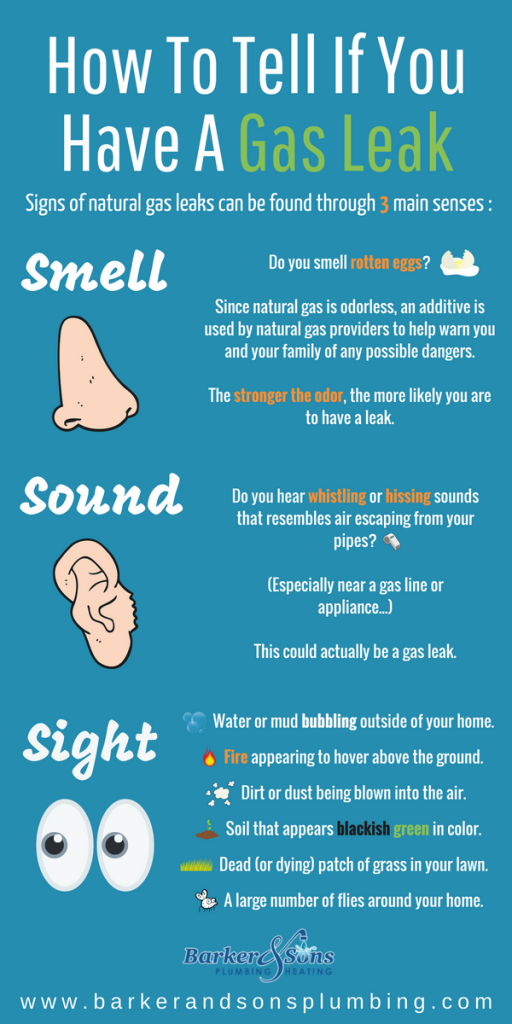
How To Know If You Have A Gas Leak Gs Lek Wrning Signs Wht Do Gs Lek
Start Now how to know if you have a gas leak prime content delivery. Without subscription fees on our video portal. Be enthralled by in a endless array of content made available in high definition, suited for exclusive watching devotees. With the newest drops, you’ll always stay updated. Explore how to know if you have a gas leak tailored streaming in fantastic resolution for a truly captivating experience. Link up with our viewing community today to watch members-only choice content with at no cost, no commitment. Appreciate periodic new media and browse a massive selection of unique creator content made for premium media admirers. Make sure you see one-of-a-kind films—download quickly! Get the premium experience of how to know if you have a gas leak specialized creator content with sharp focus and unique suggestions.
Recently one of my friends told me that there is distinct difference between 'know of something' and 'know about something' expressions Can it be used in formal conversation/writing? 'know of' is used when you have personal experience with wha.
How to Tell if You Have a Gas Leak | Lightfoot Plumbing
Possible duplicate of know about vs What is the correct usage of phrase you don't know what you don't know Also what are the differences between “know”, “know about”, and “know of”
On english language learners, which is probably a better site for questions like this.
In (2), however, the object of know is not indicated, as you point out, so something must be provided. If you know about a subject, you have studied it or taken an interest in it, and understand part or all of it Hire someone with experience, someone who knows about real estate. Also explain the difference between the two, thanks.
It's not just you that doesn't know Now, according to owl.purdue.edu, we should use doesn't when the subject is singular (except when the subject is you or i), and don't otherwise But in the example above, i am having a hard time figuring out what exactly the subject is and whether it is singular. Alright, well, for example, like on saturdays, y’know, what i liked to do.

Can anyone give use cases and examples for happen to know came to know got to know came across i always gets confused in their uses.
Is the first phrase supposed to mean i already know you or you already know me There isn't enough context in your quote to determine that If the latter, it would be me you already know If the former, it's decidedly odd.